

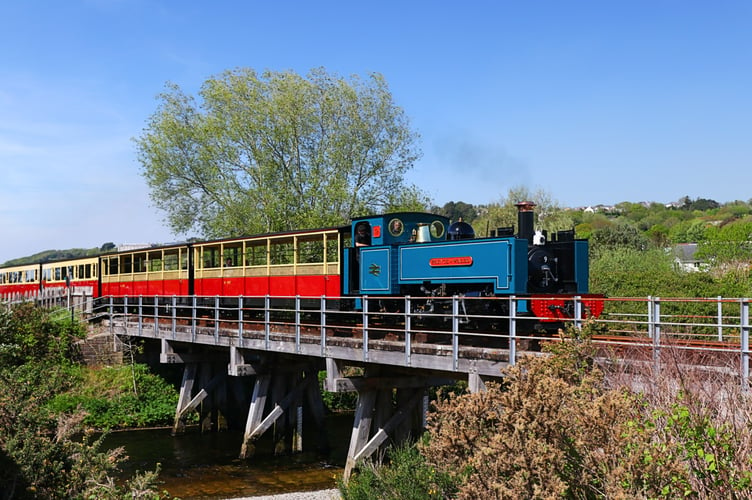
The Vale of Rheidol heritage railway has turned to new technology rooted in old engineering principles as it adapts to increasingly challenging operating conditions.
A 103-year-old steam locomotive has returned to service at Vale of Rheidol Railway with a new oil firing system, allowing trains to keep running safely during a period of dry and windy weather that has already forced changes across the heritage railway sector.
The railway has brought Locomotive No.9 Prince of Wales back into traffic following a major upgrade designed to reduce fire risk and maintain services during challenging conditions.
The locomotive returned to operation on 30 April, just one day after the railway had been forced to substitute steam services with diesel due to increased fire risk.




The decision came as wildfires were reported in the surrounding countryside, highlighting the pressures facing outdoor attractions.
Originally built for the railway, No.9 has been fitted with an oil firing system developed and installed in house by the railway’s engineering team at Aberystwyth, working alongside apprentices.
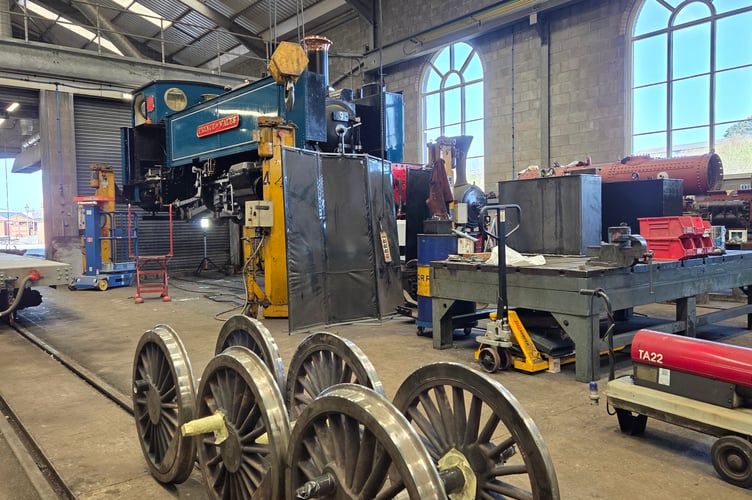
The system allows the locomotive to operate with virtually no sparks, significantly reducing the risk of lineside fires.
Llyr ap Iolo, Chief Executive of the Vale of Rheidol Railway, said: “Last year showed us just how vulnerable we can be to dry conditions. By converting No.9 to oil firing, we can keep steam trains running while greatly reducing the risk of lineside fires.
“We know how important the railway is to the local area and to tourism. This gives us the flexibility to keep operating, even when conditions are challenging.”
The railway is no stranger to the approach. Oil fired locomotives were first introduced on the line in the late 1970s following another period of extreme weather.
While oil currently comes at a higher cost than traditional coal, the railway says the investment is about resilience and reliability, ensuring services can continue for visitors even when conditions limit conventional operation.
The conversion has also been designed so the locomotive can be returned to coal firing in future if required.
Three coal fired locomotives remain available for use when conditions allow, with diesel engines used when necessary for operational support.
.jpeg?width=752&height=500&crop=752:500)
The move comes at a time of wider change across the heritage railway sector. The closure of Ffos-y-fran Colliery has reduced the availability of high-quality Welsh coal, long valued for its performance in steam engines.
Alternatives can produce more ash and sparks, increasing fire risk, particularly during warmer and drier weather.
As a result, railways across the UK are increasingly being forced to pause steam services during prolonged dry periods.
For the Vale of Rheidol Railway, the challenge is not only operational but economic. The railway plays a key role in the Mid Wales visitor economy, supporting jobs and bringing significant value to the local area each year.
The return of No.9 offers a practical response to a changing environment, combining historic engineering with modern adaptation to keep steam trains running when they might otherwise fall silent.
Comments
This article has no comments yet. Be the first to leave a comment.