
Farmers have “warned for years” that large-scale wildfires could happen, as one tore through the Elan Valley this week.
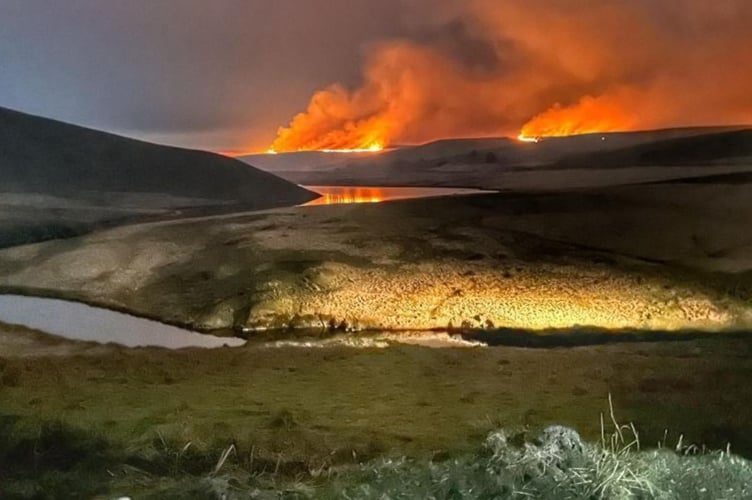
One Elan Valley tenant farmer had seen the wildfire coming but was still “shocked” by the scale of the week-long fire, which raged through the valley’s uplands until the rain came on 1 May.
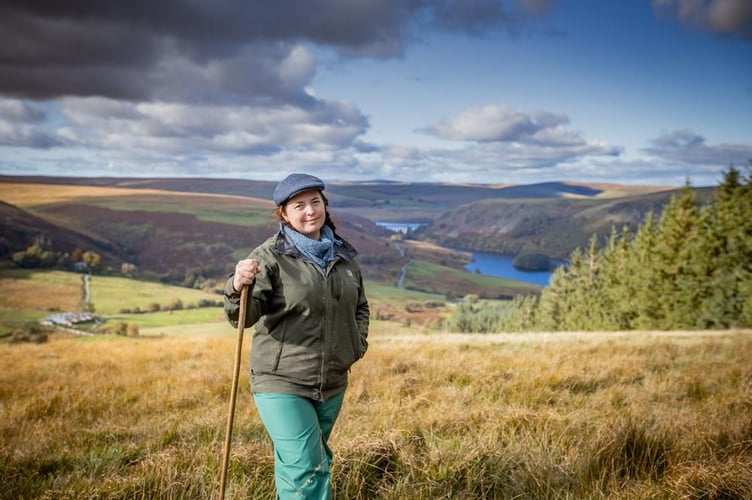
The fire came down to the back of Sorcha Lewis’ farmhouse, Troedrhiwdraen, having started five miles away: “We knew if there was one, it would be bad, but the scale of it was worrying.
“We haven’t had a fire on the hill in maybe 40 years, and we’ve never had one on this scale.”
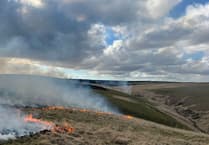


Fire services were called to the Elan Valley late on 25 April, the fire spreading up to Cwmystwyth, requiring helicopters and around-the-clock work.
Hafod Estate also closed for two days.
Landowners and ecologists say they have warned for years that wildfires would worsen with the increase in molinia caerulea, also known as purple moor grass, which is dead at this time of year and incredibly flammable.
Molinia survives well after a fire, becoming more dominant as fires kill off other plant species - the large-scale wildfires last year encouraged molinia growth.
Elan Valley was just one location suffering from wildfires, with Bannau Brycheiniog National Park and an industrial estate also suffering from fires following hot and dry weather.
The 50-year-old sheep and cattle farmer said that though her farm was unharmed, the landscape around her is full of water voles, pine martens, skylarks, rare plant species like orchids, and insect life such as clear-wing moths, which she captures on camera in her spare time.
“We’ve had a hard winter, then in spring the cuckoos come in from Africa, bringing that sound of spring.
“You look around and see hundreds of these drinker moth caterpillars that the cuckoos eat.
“It has a feeling of something lost, from our perspective.
“The wildfire has made everyone feel like we can’t have this again; we must do something.”
Working with the landowner, the Elan Valley Trust, Sorcha and her husband Brian began peatland restoration work three years ago, rewetting dried-out peatland in the hopes of stopping the scale of burning.
She said on this: “We feel beholden to society to manage the land as best we can.
“So when someone then lights a fire because they’re on holiday, it’s frustrating for everybody.”
She joins calls from the fire brigade for more public education to ensure unnecessary risks aren’t taken when visiting Wales’ beauty spots.
The Sustainable Farming Scheme also begins this month, designed to encourage Welsh farmers towards environmentally friendly farming.
Sorcha said she has called for fire breaks to be incentivised as part of a scheme for years: “We could be paid to mow or graze fire breaks around woodlands and hills as a public service to control the fires that may come with global warming.”
Comments
We've recently changed our login process. If you have an account for commenting, you will need to re-register on the login window.
This article has no comments yet. Be the first to leave a comment.