
What is Poverty? That was the title of my first essay at university back in 1988. We were expected to examine absolute poverty and relative poverty. The definitions are still with us. We all recognise the first, see it on the news in Gaza, Sudan and other places. We also see it on our own streets with rough sleepers.
Recognising relative poverty is far harder. The measurement is 60 per cent of median earnings but I regard this as a poor measurement. Since I was a student the way it’s being measured hasn’t altered much but lots of other things have. Most years for instance wage increases have outstripped inflation thereby making working people better off. This stopped happening a couple of years ago which was then dubbed the ‘cost of living crisis’.



However, the situation is clearly more complicated. There are plenty of households who technically fall into the relative poverty category but aren’t struggling. My hunch is that many of these are pensioners who’ve paid off their mortgage and therefore don’t have the terribly high housing costs that many younger households have.
I detest the way that generations are pitched against each other though. Pensioners did pay mortgages for decades, as well as taxes and National Insurance, they’ve worked hard and often still support their children and grandchildren financially or through providing child care. They also do lots of volunteering, much of it in caring capacities. Their mortgages may be zero and they may be sitting on an asset worth half a million but, when they bought their house in the 60s or 70s, and paid a mere few thousand for it, they bought it as a home, a place to live and bring up children, not an investment.
It’s also clear that many households aren’t struggling. We’re not all in this ‘cost of living crisis’ together. Many families can afford an amazing array of luxuries that we didn’t even dream off in 1988. The household basket then didn’t include mobile phones, subscriptions to streaming services or foreign holidays. Interestingly enough, it did contain a daily newspaper as it was deemed important that people were well informed.
Expectations have risen year on year. Under the current definition of relative poverty, poverty levels in west Wales are appalling. I wish to understand which people and families are really struggling. I loathe the division of the deserving and the undeserving poor. I don’t believe anybody chooses to be poor by deliberately living a lifestyle of strife.
The welfare state is letting many people down, as are our mental health services. Our tax and benefit system isn’t designed to help low waged people. Every budget the better off gain more than the lower paid, increasing the inequalities. Margaret Thatcher’s ‘trickle down’ economics has failed. The welfare state needs sorting, but not by slashing the total bill, as many politicians are desperate to do.
If we add student loans to the mix of problems plus extortionate rents, a picture emerges where it’s often the younger generations who really feel the pinch. Current unemployment levels among the young are high too, 16 per cent according to the Office for National Statistics. And how about those who can’t work because of their mental state or because of autism? They don’t deserve the label of undeserving poor.
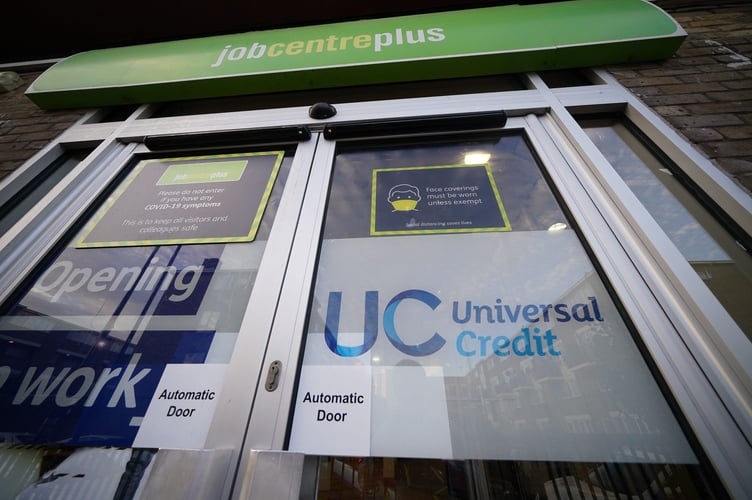
Let’s get to the roots of poverty and get people out of the poverty trap, which will decrease the Universal Credit bill, and will bring down expenditure on Housing Benefit. And those with mental health problems and neurodivergent individuals need proper help, not be worrying about having their Personal Independent Payments cut as right wing politicians are threatening to do.
Comments
This article has no comments yet. Be the first to leave a comment.