
--Right-Victoria-Bond-the-Director-of-CLA-Cymru-(P.png?trim=0,0,3,0&width=752&height=497&crop=752:497)
When the first heatwave hit earlier this year I feared there would be multiple wildfires across the ‘Cambrian News’ region. Thankfully, we didn’t hear of any, but when the second heatwave occurred, Gwynedd was, sadly, hit by a number of blazes.
One in particular, in the Rhinogydd mountains near Cwm Bychan lake, Harlech, caused great concern for the landowners, locals and the emergency services. The fire, which was first reported on 12 July, affected the remote mountain area that includes highly protected habitats designated as a Special Area of Conservation, Site of Special Scientific Interest and National Nature Reserve.
At one point, the fire was estimated to cover around 2,000 acres as fire crews bravely battled the fire for days in challenging conditions.
Natural Resources Wales (NRW) and North Wales Fire and Rescue Service (NWFRS) worked together to respond to the wildfire and their efforts were praised by members of the public and the MP for Dwyfor Meirionnydd, Liz Saville Roberts. But as a result of the difficult terrain and limited access to the fire stricken area, NWFRS requested aerial support through NRW.
The request was approved, but the news that helicopter support would not be available for days due to demand from wildfire incidents elsewhere across the UK dealt a devastating blow to the people of the area.
Mrs Saville Roberts joined the cry for aerial support, and there were calls on the military to help too. The public got behind the issue too; a petition calling for aerial support attracted 4,000 signatures when the fire had been burning for 11 days.
The situation became so desperate that the Walkden family, owners of Cwm Bychan Farm, paid thousands of pounds to hire a helicopter to put out the wildfire on their farm. I interviewed the family and could not believe that they had been forced to do this. With wildfires raging across Europe and fears further hot weather could spark more here, the response to such incidents must be reviewed.
The Country Land and Business Association (CLA) Cymru has expressed deep concern too. They say fires like the one in the Rhinogydd mountains, seen by satellite in space, cause immediate and long-lasting damage to the agricultural sector and wider rural communities.
CLA Cymru represents around 3,000 members across Wales, representing more than one million acres of agricultural land (50 per cent) in Wales, and works tirelessly to protect and shape the future of Wales’ rural landscape. From Welsh agriculture and the regeneration of the rural economy to improving the Welsh planning system, CLA Cymru engages with members at the Senedd and at Westminster to help shape policy.
Farmers and landowners across Wales are on the front line of this crisis. Vast areas of grazing land have been scorched, killing livestock and threatening their welfare and forcing many to draw on their limited winter feed supplies during already strained water resources and drought declared regions. The loss of productive pasture, damage to internationally important habitats and risks to livestock not only undermine farm businesses but has a ripple effect through the entire rural economy, affecting supply chains, tourism and community resilience.


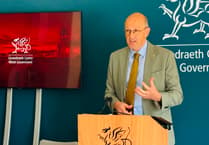
Victoria Bond, Director of CLA Cymru, said: “These wildfires are a stark reminder of the growing challenges posed by extreme weather in our countryside. Our members, who manage much of Wales’ rural land, are working tirelessly and shoulder to shoulder alongside emergency services to protect lives, property and the natural environment. However, the financial and emotional toll on farming families is immense. We urge Welsh Government and relevant agencies to provide swift, targeted support for recovery, including resources for habitat restoration, compensation where appropriate and long-term strategies to build resilience against heat related risks.
“We also urge Welsh Government to urgently examine how land is used and managed across Wales and to take decisive action on vegetation management and grazing practices, so that we can better prevent and mitigate the risk of future wildfires.”
CLA Cymru stands ready to work with Welsh Government, fire services and partners like Natural Resources Wales to mitigate future risks while championing the vital role of rural businesses.
Victoria added: “The human and economic cost cannot be overstated. Many of our members are facing years of recovery on land they have stewarded for generations. We pay tribute to the bravery of our firefighters and emergency services working in incredibly challenging conditions. CLA Cymru calls for urgent action from policymakers to support affected communities now and to invest in practical measures that will help rural Wales. Our members are part of the solution, and their voices must be central to building a more resilient future for the Welsh countryside.”
I am heartened by this response, and by NRW’s recent decision to review the current response to wildfires. I would like to think that we will not be affected by any more, but I know, sadly, we will, so my hope now is that when the next one sparks, help is available immediately. It is incredible that it was not.

Comments
This article has no comments yet. Be the first to leave a comment.