

All over rural Wales, people are furiously switching off lights, turning down thermostats, sitting in chilly rooms. And risking expensive trips to the dentist by biting into excessively al dente pasta.
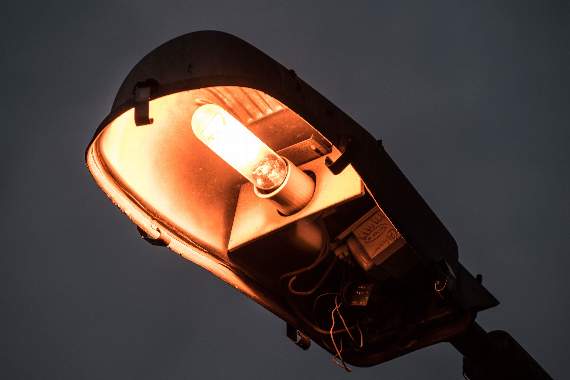
But while we’re scrimping and saving, and at the same time of course cutting carbon output, county councils and North and Mid Wales Trunk Road Agent are blithely tossing away multi-megawatts of our money by quite unnecessarily bathing roads and town centres in a blaze of expensive light from dusk to dawn.
As taxpayers, we’re being landed with a very big bill for highways lighting which has become a luxury we can no longer afford - financially or climatically.
Councils are warning of multi-million black holes in their budgets. So they should snap up this simple, but major, option to economise. After all, they’ve seen the cost of running and repairing roads lighting leap by about 37.5 per cent in the last six months, with some authorities saying running costs have doubled.




I live up a country lane overlooking a distant Aberystwyth. We haven’t got streetlights, and no-one’s suggesting we need any. But you could say they’re unnecessary anyway, because after dark a great invasive arc of reflected and direct light from the town and its periphery saturates the night sky above us. And that’s at a distance of three miles or more.
Turning off lights after, say, midnight, or at least halving the number left on, would save a fortune, never mind that much street lighting is now cheaper LED. Extend such economising to towns, villages, cities and trunk roads all over Wales and the cash and carbon savings would be hyper-dramatic. And this could all be achieved virtually overnight.
Authorities have yet to recognise roads lighting as one of the old certainties that must be re-examined because of both energy costs and the health of the planet. There’s simply no longer any decisive justification for this costly transformation of night into day.
But will councils and the trunk road agent act? Will either even seriously consider change? Almost certainly not, unless they’re pushed, because inertia and timidity are deeply ingrained.
But there’s a further incentive. Switching off would give more people the freedom to transport themselves to other worlds. Without light pollution, they could be transfixed by crystal-sharp views of stars, planets and the moon, a dark skies reward offering a miraculous diversion from our own frazzled planet.
Comments
This article has no comments yet. Be the first to leave a comment.