

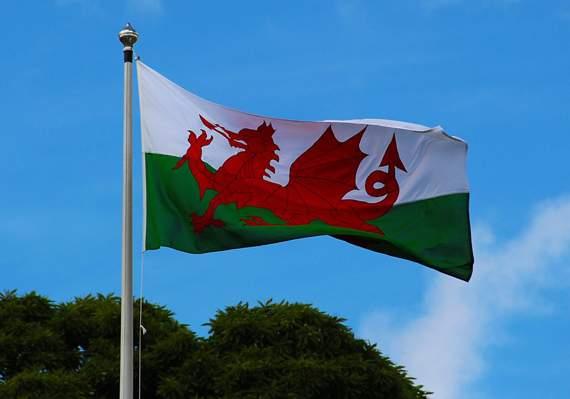
Another year has come and gone as we in Wales mark the death of Saint David in 589. Since the 12th century and the canonisation of our patron saint by Pope Callixtus II, 1 March has been marked with varying degrees of celebration — but just never as a fully recognised national holiday. And that is shameful.
Scotland marks the advent of the new year with an extra day of Hogmanay celebrations. In Wales, 1 March comes and goes without a second thought.
In just over two weeks, Irish the world over will be celebrating St Patrick’s Day, turned the world green with envy. For the Welsh diaspora, spread to the corners of the globe, there is no official recognition of their patron saint.
And that too is an oversight that has gone on far too long. In a little more than nine weeks’ time, all in the UK will be granted a special one-off extra-long weekend to mark the coronation of King Charles III at Westminster Abbey. But the government at Westminster has time and time again ignored and denied the people of this nation the right to mark its history and heritage, turning a blind eye to Welsh customs, turning a deaf ear to our national language.




Across the Irish Sea, the Dublin government has declared a new public holiday in February — a time of national reflection on the sacrifices made and lives lost during the coronavirus pandemic. In Wales, a devolved nation that proved itself far more mature in the handling of Covid-19 than its partying counterparts in London, the Senedd lacks the basic power to declare 1 March a public holiday.
Last year, Gwynedd took the unprecedented step of giving its council workers a day off on 1 March. It’s a pity that others have not followed suit.
Poll after poll, time after time, show the vast majority of Welsh support the declaration of a public holiday on St David’s Day.
But time after time, both Labour and Conservative administrations in London have thwarted the wishes of an overwhelming majority of Welsh people.
How much longer will we have to go cap in hand to Westminster, tugging at our collective forelock, asking for one day that is uniquely — and rightfully — Welsh?
Comments
This article has no comments yet. Be the first to leave a comment.