

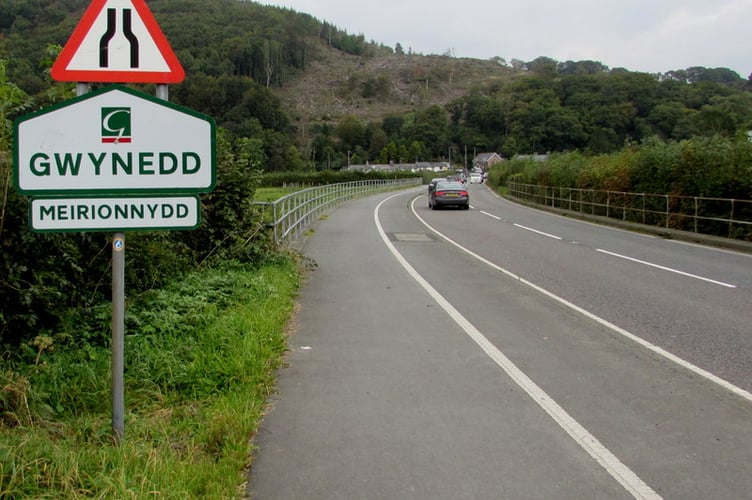
Gwynedd residents are facing another rise in their council tax bills as members consider a 4.9 per cent increase from April.
If approved, the average Band D property will see a rise in their tax bill of around £101.48.
Next week, Cyngor Gwynedd's Cabinet will consider a report recommending setting a budget of £380 million and a capital programme of around £40 million for the 2026/27 financial year.
For the first time for several years the council will be able to avoid cutting essential services.
-Kelsey-Reed-(PACT)-and-class-organiser-Janatha-Carden.png?width=209&height=140&crop=209:145,smart&quality=75)
.png?width=209&height=140&crop=209:145,smart&quality=75)
The report recommends investing in the services that the people of Gwynedd depend upon, including childcare, homes for older people, care for people with learning disabilities and mental health services.
This year, for the first time for several year, the budget will allow for more support for children with Additional Learning Needs and additional funding for Special Schools.
Cyngor Gwynedd’s budget is funded by a combination of grants from the Welsh Government and Council Tax.
Cllr Huw Wyn Jones, Cyngor Gwynedd's Cabinet Member for Finance, said: “This year, thanks to a political agreement between Plaid Cymru and the Government, there will be more money than previously expected for local government.
“This means that we won't have to cut vital frontline services this year, which will I’m sure will be a relief to the people of Gwynedd. This is especially relevant, given that we've had to make £47 million of cuts over the last decade.
“While this is good news, we must continue to look after every penny. The costs of things like electricity, diesel, food and building materials continue to rise and there is more demand than ever for our services.
“Although we have received more than expected from the Government, the increase in funding is still not enough to pay for rising costs. This means that if we want to avoid cutting core services, we have no choice but to raise Council Tax by 4.9%.
“None of us want to see the Council Tax go up at all and we have done everything within our power to keep this increase as small as possible without penalising people who depend on Council services.”
Some of the examples of additional costs faced by the council include more adults with learning disabilities need support to live independently, costing the Council more than £1 million; an increase in demand for residential care for people with severe mental health conditions, costing the Council a further £1 million; and essential maintenance works for buildings such as schools, homes for the elderly, libraries and leisure centres, costing the Council £2 million.
Cllr Nia Jeffreys, Leader of the council, added: “Whilst we are making every effort to keep Council Tax as low as possible, I am well aware we are very aware that any increase adds to the financial burden felt by the people of Gwynedd, especially those who are already struggling.
The final budget will be set at a meeting of the Full Council on 5 March 2026.
Comments
This article has no comments yet. Be the first to leave a comment.