
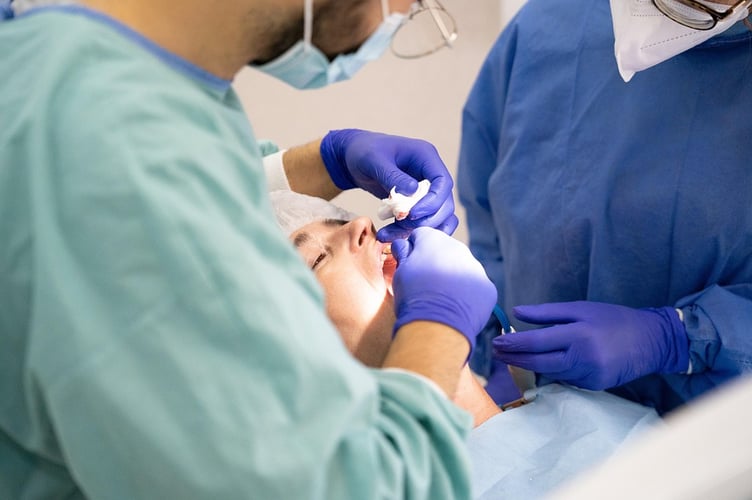
Wales’ new government has set out its clearest vision yet for the future of NHS dentistry, but the profession’s leaders have warned that ambitious promises will mean little unless ministers address what they describe as mounting problems caused by the new dental contract.
In a written statement issued on Tuesday, Cabinet Secretary for Health Mabon ap Gwynfor outlined a series of measures aimed at tackling the long-running access crisis facing patients across Wales. Among the proposals are support for a new dental school in rural Wales, a review of mobile dental provision, and a commitment to workforce reform designed to improve access to services in some of the country's hardest-hit communities.
However, the British Dental Association (BDA) has responded with a stark warning, arguing that the Welsh Government risks simply repeating the rhetoric of its Labour predecessors while failing to address fundamental problems that dentists say are already driving practitioners away from NHS work.
The row comes against the backdrop of an unprecedented access crisis that has left thousands of patients across Mid Wales struggling to secure appointments and, in some cases, waiting years for treatment.
Cambrian News investigations have previously highlighted the reality facing patients in what many have described as Mid Wales' growing "dental desert". Earlier this year, the newspaper reported cases of children waiting so long for treatment that they were effectively becoming adults before seeing a dentist, while vulnerable patients were being forced to travel hundreds of miles or seek expensive private care. One Aberystwyth heart patient told the Cambrian News he had been unable to access NHS dental care since 2022, leaving him unable to replace faulty dentures and affecting his ability to follow a medically recommended diet.
The BDA argues that such stories demonstrate why government focus must remain on immediate access challenges rather than longer-term aspirations.
Dr Russell Gidney, chair of the BDA's Welsh General Dental Practice Committee, questioned whether proposals such as a new dental school could succeed unless the underlying NHS system becomes more attractive for both current and future dentists.
"A new dental school won't work if the contract in place means the next generation can't see a future for themselves in the NHS," he said.
"Sadly, a Plaid administration appears to be recycling Labour soundbites.


-Councillor-Mary-Ann-Brocklesby-(Leader-of-Mon.jpeg?width=209&height=140&crop=209:145,smart&quality=75)
"It might be 'the most significant change' in 20 years, but this new, untested system now risks pushing more dentists out of the service.
"Ministers need to ask themselves if they really want to end this crisis or simply cheerlead for their predecessors' mistakes."
The comments reflect growing frustration within the profession over the new General Dental Services contract introduced in Wales. While ministers argue the reforms place greater emphasis on prevention and clinical need, the BDA has repeatedly warned that the model was implemented too quickly and without sufficient testing.

In June, the organisation wrote to the Cabinet Secretary detailing what it described as serious operational and contractual problems emerging under the new regulations. According to the letter, NHS dental activity is currently running at around half the level expected, while practices are facing increasing administrative burdens, IT difficulties and contractual complexity.
The BDA also warned that additional practices could hand back NHS contracts before a government review of the system takes place later this year.
Despite those concerns, the Welsh Government remains adamant that reform is necessary.
In his statement, Mr ap Gwynfor acknowledged the severity of the access crisis, particularly in rural and deprived communities where patients often struggle to find an NHS dentist.
"We take reports of so-called 'dental deserts' and growing numbers of patients forgoing treatment or resorting to private care very seriously," he said.
He described the new dental contract as "the most significant change to NHS dentistry in Wales for almost twenty years", arguing that it finally embeds prevention, risk assessment and needs-based care into the system while removing the controversial Unit of Dental Activity metric.
The minister also highlighted the Dental Access Portal, which allows patients seeking NHS dental treatment to register their details and enables health boards to identify areas of greatest demand.
However, critics argue that awareness of demand has not yet translated into meaningful improvements for patients.
The scale of the challenge remains particularly acute in rural Mid Wales. Figures reported earlier this year showed that nearly 4,800 adults and more than 300 children were waiting for dental care in Powys alone, prompting claims that access to NHS dentistry was in a more "dire situation" than a year earlier. [cambrian-news.co.uk]
Many residents continue to report difficulties finding practices accepting new NHS patients, while some surgeries have reduced their NHS commitments or transitioned towards private care because of recruitment pressures and financial concerns.
To address those workforce problems, Mr ap Gwynfor said the government would support proposals from Bangor and Aberystwyth universities to establish a new Dental School for Wales. He believes the move could strengthen recruitment and retention in areas that have historically struggled to attract dentists.
A wider NHS Wales workforce strategy is also due to be published in the autumn, setting out plans for staffing, retention and long-term service sustainability.
The minister added that health boards should explore innovative salaried dental models, community dental hubs and the possible expansion of mobile dental clinics to serve remote communities.
For many patients, however, the success of those plans will ultimately be judged on a simple question: whether they can finally secure an NHS appointment when they need one.
The BDA says it remains willing to work with ministers to achieve that goal but insists urgent engagement is required.
"We remain ready to work constructively with Ministers to develop a sustainable future for NHS dentistry," Dr Gidney said.
"However, meaningful engagement must begin urgently."
As Plaid Cymru attempts to chart a new course for Welsh healthcare, the challenge will be convincing both dentists and patients that this latest reform programme offers more than a new set of promises for a service that many believe has been in crisis for years.
Comments
This article has no comments yet. Be the first to leave a comment.