
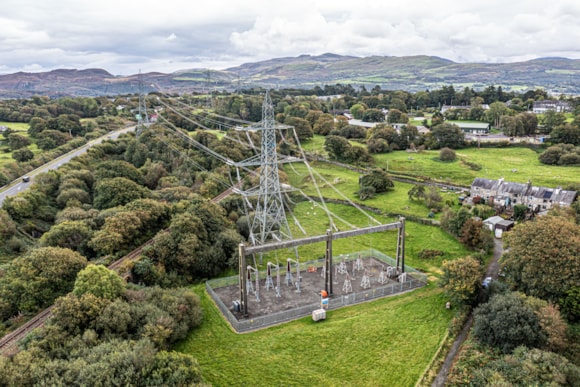
The National Grid has chosen north Wales as one of 17 locations for major electricity upgrades.
The investment is part of the Great Grid Upgrade, where the electricity distributor is aiming to future-proof the UK’s electricity connections for generations to come.
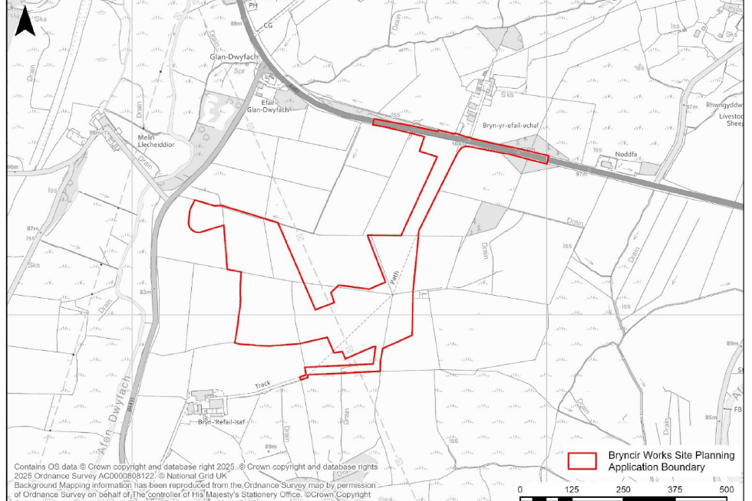
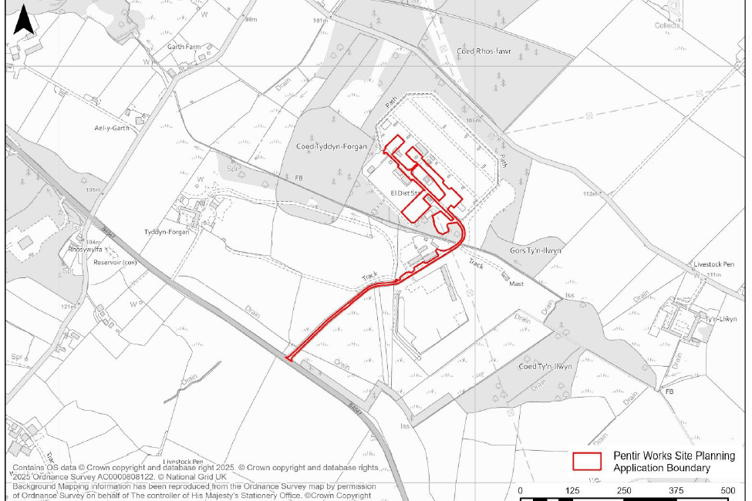
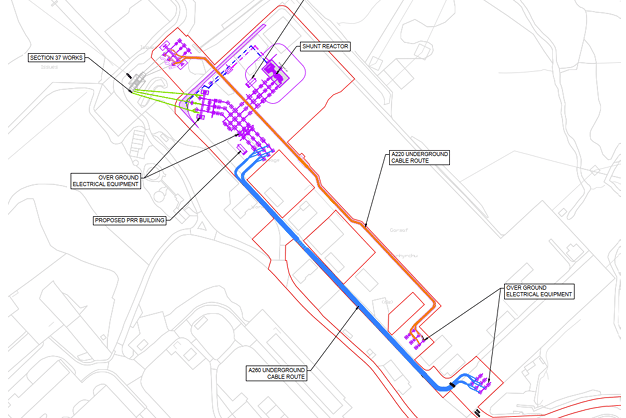
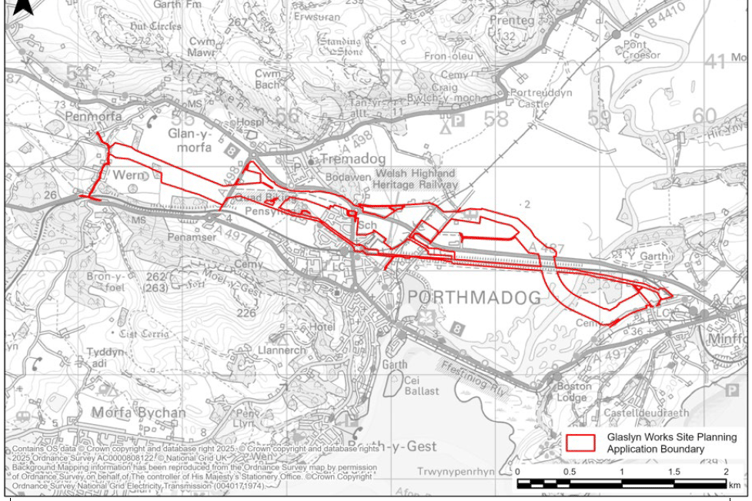
If the planning applications are approved, works will begin this summer to build a new substation south of Bryncir, install new underground cables at Pentir substation, new underground cables and infrastructure at Trawsfynydd substation, and replace 5.8km of underground electricity cables beneath Glaslyn estuary.
-(1).png?width=209&height=140&crop=209:145,smart&quality=75)



The Cambrian News sat down with National Grid media manager Lee West and north Wales project director John Lamb to find out what this means for residents.
They explained that the type and quantity of energy we consume have changed dramatically since the National Grid was set up in the 1960s.
Lee said: “My grandparents used electricity for a fridge, lights and telly.
“Now in my household we have four laptops, a PlayStation plugged in, a TV, electric oven, fridge-freezer - and we’re an average house.
“The difference in what is required of the grid now compared with when it was built is astronomical.”
They’re anticipating the move to electric-everything to grow as companies and households transition away from fossil fuels like gas and oil.
The National Energy System Operator anticipates that in 2050, the amount of electricity we use will be double what we use today.
National Grid is doing the work now to support the demands of the future.
John explained that there is currently “huge demand on new connections” to the grid, be that new factories, offices, warehouses, schools - all of which “soak up more electricity”, as well as growing demands of electrically-cooled data centres.
The type of energy coming into the grid is also changing. One concern raised by the Welsh Countryside Charity regarding the many energy parks proposed across the Welsh landscape is that the grid might not be able to support that increase.
John said: “This is not a green energy project, but we’re keen to promote that it will support more green energy by upgrading with bigger, better equipment and assets, to accommodate the electricity coming in, and the demand in north Wales.”
A downside of the project will be the disruption caused during the works, expected to be fully operational by 2030.
The digging up of underground cables between Wern and Minffordd is “unavoidable”, though disruption will be kept “to a minimum”, says John; however, the alternative is on-land pylons, which many in Carmarthenshire are currently campaigning against.
Lee added: “The upgrade ensures security of supply into the future.
“Although the network as it stands can meet demand now, it won’t in future.
“This work is about ensuring that it will.”
They state that the work will benefit the local economy, both immediately through the employment of hundreds of local tradespeople and in providing the infrastructure to support growth.
John said: “It’s exciting, to be honest, to see the amount of work going on in such a small corner of the world.”
Comments
This article has no comments yet. Be the first to leave a comment.