

Targeting XL Bully won’t solve dog aggression, a Bangor academic warns.
The study challenges the effectiveness of Breed-Specific Legislation (BSL), the policy that bans or restricts ownership of certain dog breeds deemed "dangerous."
Criminology Lecturer Lisa Sparkes argues the approach stigmatises particular breeds without addressing the real drivers of dog attacks.
Drawn to the subject after experiencing stigma herself as an owner of a large-breed dog,” Lisa said: "When the XL Bully ban was first introduced, I was the guardian of Buster, a Dogue de Bordeaux.
“While walking him, I experienced several unpleasant encounters with strangers who made assumptions based solely on his size and appearance. These experiences made me recognise the potential for guardians of large canine breeds to face stigma, judgement and hostility."
Her analysis finds BSL disproportionately targets certain breeds, reinforcing negative stereotypes rather than tackling irresponsible ownership, inadequate training, and socialisation. She argues better education on how to approach and interact with dogs would do more to improve public safety.
The study points to a growing body of evidence showing a dog's behaviour is shaped far more by its owner's responsibility, training and environment than breed alone. Lisa also believes every dog owner should hold a licence.
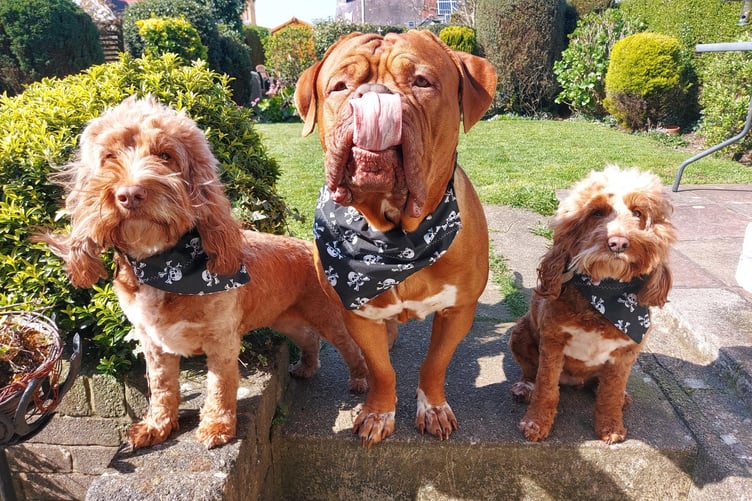
"In the past, guardians were required to hold a licence. This placed a clear responsibility on the guardian and reinforced the expectation they were accountable for their canine’s care, welfare and behaviour," she added.
The paper reflects growing public and academic criticism of breed bans, with rising support for alternatives such as mandatory dog registration, owner education programmes, and stricter penalties for irresponsible ownership - shifting the emphasis from prohibition to responsibility and prevention.




Lisa concludes BSL should be reformed and replaced with an evidence-based, preventative framework built on responsible ownership, education and regulation - moving policy away from breed discrimination towards a more comprehensive approach to public safety.
Comments
We've recently changed our login process. If you have an account for commenting, you will need to re-register on the login window.
This article has no comments yet. Be the first to leave a comment.